Comprehensive AC Repair Guide: Tips, Troubleshooting, and Expert Solutions
The "Ultimate Guide to Air Conditioning Repair" acts as an extensive resource for homeowners dealing with various air conditioning problems. It covers symptom identification, essential maintenance practices, and troubleshooting techniques. The guide also details when professional assistance is needed and discusses the impact of energy efficiency on repair costs. Comprehending these elements can greatly affect a homeowner's decision-making. Nonetheless, the complexities of air conditioning systems may disclose more than originally anticipated.
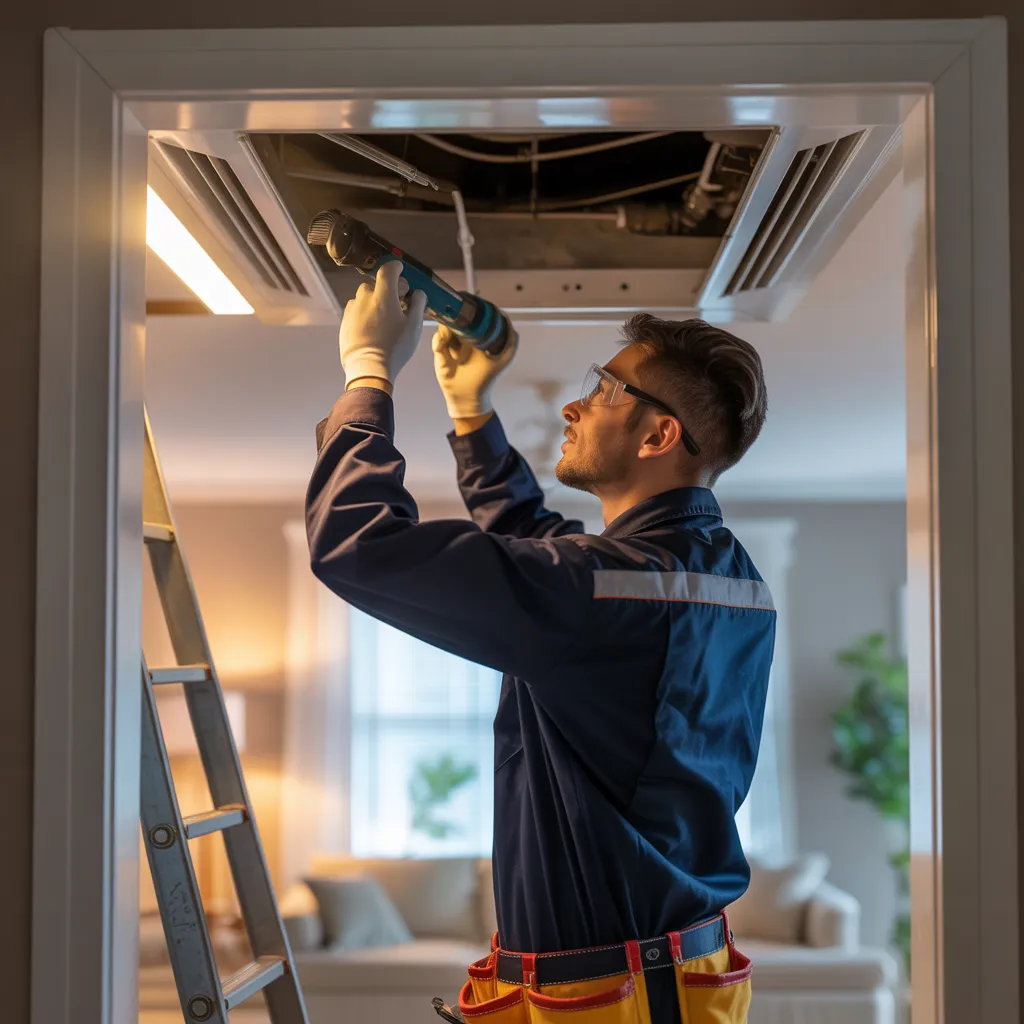
How to Recognize Common Air Conditioning Malfunctions and Warning Signs
Whenever air conditioning systems malfunction, determining the underlying problems can be crucial for timely repairs. Common symptoms often indicate specific issues. For example, if the unit fails to cool the space effectively, it may indicate a refrigerant leak or a dirty filter. Unusual noises, such as rattling or grinding, can indicate loose components or failing motors. Additionally, if the air conditioner frequently cycles on and off, it may be a sign of a malfunctioning thermostat or an oversized unit.
An additional telltale indication is the existence of water leaks, which can result from clogged drain lines or damaged condensate pumps. A strong scent originating from the unit may indicate mold growth or burnt wiring. By spotting these indicators early, homeowners can handle problems before they intensify, making sure their air conditioning systems function dependably and effectively throughout the warmer months.
Important Service Tips for AC Efficiency
Preserving optimal air conditioning operation requires attention to essential tasks. Consistent filter replacement provides efficient airflow, while appropriate coil cleaning practices boost heat exchange performance. These vital maintenance guidelines can significantly extend the longevity of an air conditioning unit.
Standard Filter Changing
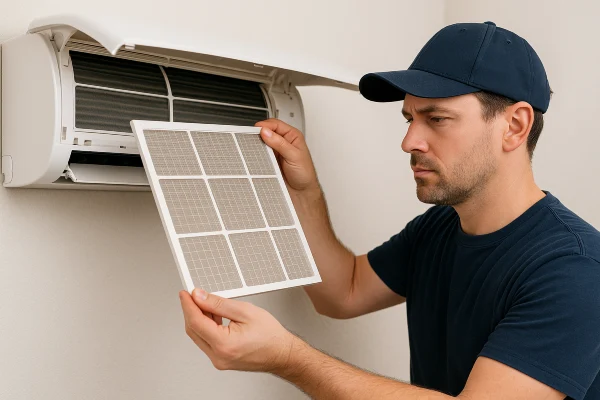
Changing air filters is a vital step in ensuring optimal air conditioning performance. Contaminated filters restrict airflow, forcing the system to work harder, which can result in increased energy consumption and potential damage. It is suggested that homeowners check filters each month and replace them a minimum of every three months, or more regularly during high-use seasons. Selecting the right type of filter is also essential; options include basic fiberglass filters to high-efficiency particulate air (HEPA) filters that capture smaller particles. Regular filter replacements not only improve air quality but also enhance system efficiency, lengthening the unit's lifespan. Ignoring this maintenance task can lead to costly repairs and decreased cooling effectiveness, making it a critical aspect of air conditioning care.
Coil Cleaning Methods
Coil cleaning represents a critical maintenance procedure that significantly impacts air conditioning performance. The evaporator and condenser coils may collect dirt, dust, and debris, which impair heat exchange efficiency. Regular inspection is vital; if visible dirt is present, a thorough cleaning is necessary. A soft brush or a vacuum can be used to gently remove debris from the coils. For deeper cleaning, a mixture of mild soap and water can be applied, followed by rinsing with a hose. Specialized coil cleaners are also available for more stubborn build-up. It is important to ensure that power is disconnected before cleaning. By maintaining clean coils, homeowners can improve energy efficiency, increase the system's lifespan, and improve overall air quality.
Troubleshooting Frequent AC Difficulties
How do homeowners efficiently identify malfunctions with their air conditioning systems? To start, they should look for any unusual noises, including grinding or hissing, indicating potential mechanical problems. A absence of cool air despite the system running implies refrigerant issues or blocked ducts. Homeowners should also check the thermostat; if it stops responding or is inconsistent, it may call for recalibration or replacement.
Moreover, examining ice buildup on learn the facts the evaporator coils can indicate airflow difficulties. If the unit frequently cycles on and off, this could indicate a malfunctioning thermostat or an oversized system. Homeowners should also be aware of any unusual odors, as they may signify electrical issues or mold growth. Furthermore, irregular energy bills could suggest inefficiency, prompting a closer inspection of the system. By spotting these indicators, homeowners can take proactive steps in tackling air conditioning concerns before they escalate.
When to Contact a Professional for Air Conditioning Repair?
Identifying when to contact a professional for air conditioning repair can be tricky for homeowners. It is crucial to recognize signs that indicate a need for expert assistance. If the air conditioning unit is blowing warm air despite being set to cool, or if it is making unusual noises, these issues require immediate attention. Additionally, persistent leaks or excessive humidity indoors can point to underlying problems that call for professional expertise.
Homeowners need to consider reaching out to a technician if the system continuously turns on and off, signaling a potential malfunction. If the air conditioner has not received routine maintenance or is over ten years old, seeking a professional evaluation can help stop further complications. Ultimately, timely intervention by a qualified technician not only secures proper functionality but can also increase the unit's lifespan, delivering peace of mind during hot weather.
Power-Saving Tips for Air Conditioner Repair Expenses
Energy efficiency is crucial for controlling air conditioning repair expenditures. Adopting regular maintenance practices, employing smart thermostats, and considering energy-efficient upgrades can considerably reduce overall expenditures. By emphasizing these strategies, homeowners can increase the longevity of their systems while reducing future repair necessities.
Regular Maintenance Practices
Preserving an air conditioning equipment through regular practices can greatly minimize repair costs and improve energy efficiency. Standard tasks, such as cleaning or replacing air filters every one to three months, can ensure optimal airflow and minimize strain on the system. Additionally, inspecting and cleaning the condenser coils at least one time per year helps preserve efficiency. Consistently checking the refrigerant levels and searching for leaks is vital for preventing costly repairs. Additionally, scheduling professional maintenance services annually can detect issues early, ensuring the unit operates properly. Homeowners should also clear debris around the outdoor system to support proper airflow. By adopting these consistent maintenance practices, property owners can prolong the lifespan of their air conditioning systems while decreasing unexpected repair expenses.
Smart Thermostat Benefits
While countless homeowners could overlook the impact of a smart thermostat, adopting this technology can greatly boost energy efficiency and decrease air conditioning repair costs. Smart thermostats enable precise temperature control, enabling users to optimize their cooling schedules according to occupancy patterns. This adaptability decreases energy waste, as the system can automatically alter settings when no one is home. Additionally, many smart thermostats supply real-time data on energy usage, assisting homeowners identify inefficiencies and make informed decisions. Regular software updates and remote access features also improve their performance, making certain that systems operate at peak efficiency. Eventually, investing in a smart thermostat can result in notable long-term savings on energy bills and diminish the possibility of costly repairs.
Energy-Conscious Modernizations
Transitioning to energy-efficient systems can significantly lower air conditioning repair costs while improving overall comfort. These systems typically consume less energy, resulting in reduced utility bills and decreased strain on components, which results in fewer repairs. Implementing advanced technologies, such as variable-speed compressors and improved insulation, enhances the system's efficiency and longevity. Regular maintenance of energy-efficient units also becomes simpler, reducing the likelihood of costly breakdowns. Additionally, homeowners may receive tax credits or rebates for installing energy-efficient models, reducing initial costs. Finally, investing in energy-efficient upgrades not only encourages sustainability but also generates long-term savings and reliability, making it a wise choice for any property owner looking to optimize their air conditioning system.
Cost Breakdown: AC System Repair or Replacement
When evaluating whether to fix or swap out an air conditioning system, one crucial element frequently emerges: expense. Restoring an air conditioning system usually entails minimal initial expenditures, with fees commonly spanning $150 to $600, depending on the issue's complexity. Additionally, repairs can extend the unit's lifespan, rendering them attractive to cost-aware property owners.
By comparison, the cost of replacing an air conditioning system can vary from $3,000 to $7,000 or more, depending on the unit's type and installation requirements. While this upfront investment is notable, a new system often delivers superior energy efficiency and fewer repair needs, likely decreasing long-term costs.
Homeowners need to also evaluate elements including the age of the installed system, repair frequency, and potential energy cost reductions. At the end of the day, a comprehensive cost analysis can guide homeowners in making an well-informed choice that weighs immediate needs with future financial implications.
Questions & Answers
What's the Recommended Frequency for Replacing My Air Conditioning Filter?
Typically, air conditioning filters should be changed every one through three months, depending on usage and filter type. Regular filter changes help maintain efficiency, improve air quality, and prolong the operating life of the AC unit.
Is It Feasible to Do My Own Air Conditioning Unit Repairs?
Homeowners are able to handle some air conditioning unit repairs themselves, given they have the appropriate knowledge and tools. Nevertheless, complicated problems may need expert help to ensure safety and correct operation.
What Types of Refrigerants Are Used in Air Conditioning Systems?
AC systems commonly utilize refrigerants including R-22, R-410A, and R-134A. Every variant possesses distinct properties and applications, influencing system efficiency, environmental consequences, and compatibility with numerous AC equipment and systems.
In What Ways Does Humidity Affect AC System Performance?
Humidity substantially affects air conditioning performance by elevating the workload on the system. High moisture content can bring about reduced cooling efficiency, causing the unit to run longer and potentially boosting electricity use and wear on components.
What Are the Signs That My AC System Is Overworked?
Signs of an overworked air conditioning unit include excessive cycling on and off, subpar cooling, strange noises, excessive energy bills, and ice formation on components. These symptoms often point to the need for servicing or repair.